Smart grids and development of local networks
The electricity grid is changing. Today's system of centralized electricity production will transition to one where customers take over an increasing part of the electricity production in the form of solar cells, while several nuclear power reactors will be decommissioned. This training is about how we prepare today's electricity grid for the needs of the future.

Contact us if you are interested in purchasing this classroom course, and we will do our best to help you!
Contact usThe goal
After the training, the participant should have gained new insights, thoughts and ideas about tomorrow's electricity grid and the challenges that the electricity grid will face.
The target group
This training is aimed at network owners and those responsible for the operation of electricity networks. It is also aimed at engineers and designers who work with the development of the electricity network.
The topics covered
Over two days, we discuss and problematize the technical development in the electricity grid, self-production, and energy storage. On a larger scale, the arrival of electric cars is added, which is expected to accelerate with cheaper and better batteries. In addition to electric cars, heavy electric vehicles are added that require fast charging with high power. Will today's electricity grid be able to cope with heavily fluctuating loads? Power flows will go in different directions at the same time as fluctuating electricity production will be balanced by energy storage and load control. The possibilities are enormous, but what unexpected technical problems are at risk of arising?
- What are smart electricity grids?: From customer to prosumer. New economic models for electricity trading. Internet of things. Power flows in different directions, energy storage, power storage and interaction with hydroelectric power. Use of supercapacitors, electric cars, heavy charging vehicles - buses and trucks. 1000V systems for electric vehicles and solar cells.
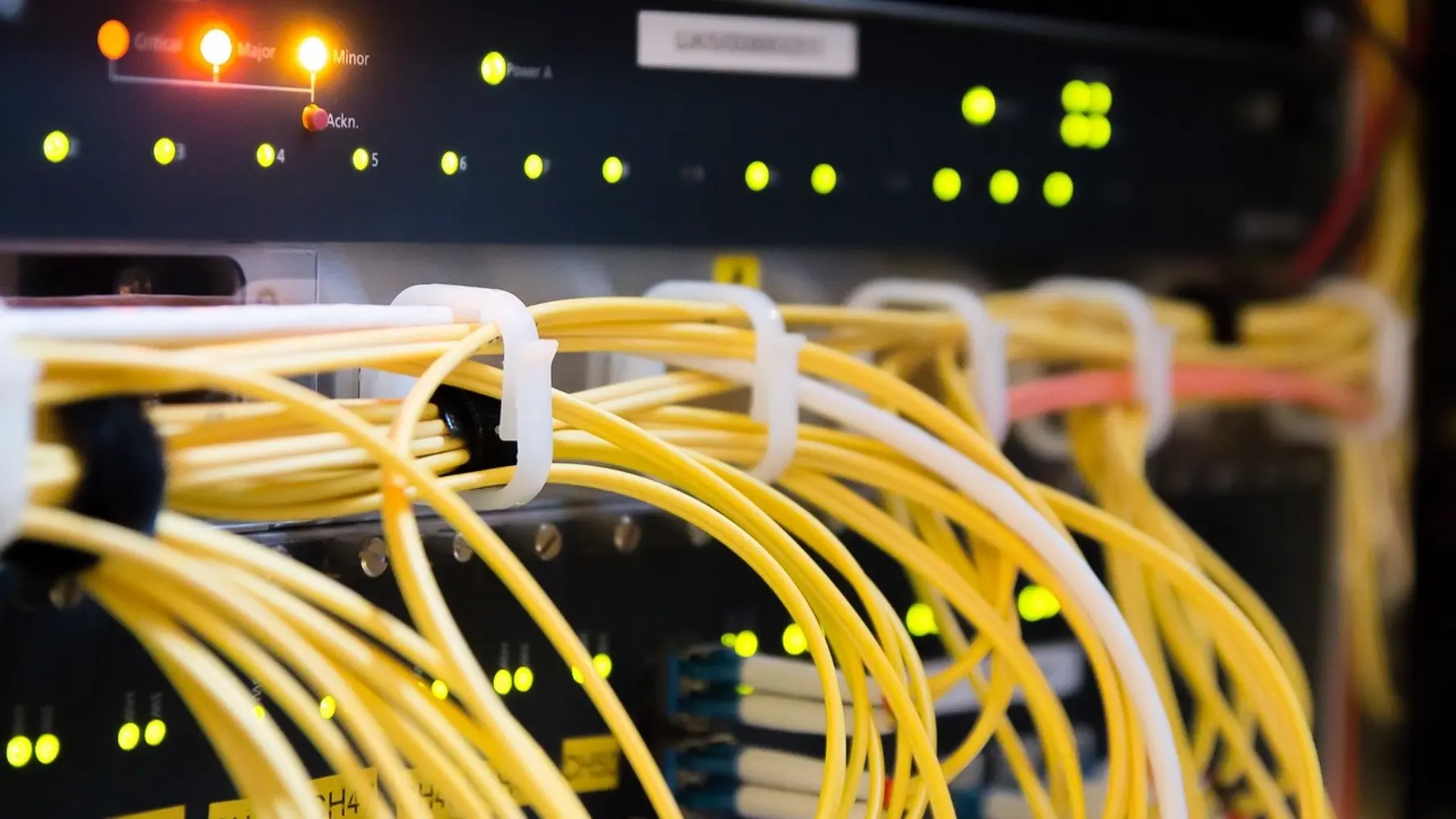
- Technical developments in grid stations: Fiber communication to grid stations, solutions with RTU, measurement router, power quality meters, etc. Compact medium voltage switches in grid stations, voltage increases in 400V systems due to solar cells. Technical problems and inconvenient scenarios. Regulation of solar cells and chargers for electric cars via smart electricity meters, tap changers in grid stations - experiences from the continent. Liability for damage to electric cars, inverters and power grids.
- Relay protection in small-scale power generation: Relay protection philosophy for smart power grids. Self-healing grids, longitudinal differential protection, fluctuating power generation. Will the 400V grid of the future resemble meshed regional and main grids? Fault currents and fault disconnection, back-fed fault currents. Are selective plans affected by short-circuit effects from the customer?
- Power quality in small-scale power generation: Harmonics. Inverters with poor quality.
- Converting the electricity grid to direct current: Technical and economic advantages, gradual expansion of direct current networks. Possible pitfalls. Rectifiers next to grid stations. Compatibility with energy storage, electric vehicles and solar cells. Direct current in lighting networks.
- How much wind power can the power system withstand: Consequences of fewer nuclear reactors, reduced short-circuit effect. Rotating flywheel and reduced frequency control, artificial rigidity in inverters. Are large gas turbines needed when there is no wind? Possibility of island grid operation.
- Solar cells and inverters: Technical development, experiences from Germany. Large solar cell parks, integration of solar cells in roof tiles. Flexible solar cells via thin film. Requirements according to edition 4 of the Electrical Installation Rules. Connection to the electricity grid.
- Electric cars and fast chargers: Requirements according to edition 4 of the Electrical Installation Rules. Battery technology, technical development of lithium batteries, alternatives to lithium. Electrification of road networks, pros and cons. Fast chargers and algorithms for battery charging, supercapacitors for fast acceleration.
- Choice of 4 or 5 conductors in service lines: Compatibility with multiple power feeds in small-scale power production, multiple solar panels in the same neighborhood. Feed into the grid via electric cars or smaller energy storage. Risk of power cycling and induction loops, smart electricity meters that handle broken PEN. Ability to reduce voltage to the customer in the event of a ground fault on the medium-voltage grid in the event of incorrect compensation in the cable network. Choice of total or partial area protection in grid stations, level switches and pressure switches in grid stations.
Prerequisites
Basic knowledge of electric power
We take pride in delivering up-to-date courses at all times and never shy away from thinking innovatively in all fields. You and your employees will always be met by highly skilled instructors who have field experience and have faced the challenges firsthand. It is a goal that everyone gets the most out of the courses they attend. Therefore, we ensure that our instructors stay professionally updated through studies, training, and close collaboration with authorities and industry organizations. This creates an environment focused on learning and safety.
Our instructors not only have solid subject knowledge - they also have practical experience and understanding of the challenges you face in everyday life. Through close cooperation with both authorities and industry organisations, we ensure that our courses are always updated and comply with the latest safety requirements and regulations.

We take pride in delivering up-to-date courses at all times and never shy away from thinking innovatively in all fields. You and your employees will always be met by highly skilled instructors who have field experience and have faced the challenges firsthand. It is a goal that everyone gets the most out of the courses they attend. Therefore, we ensure that our instructors stay professionally updated through studies, training, and close collaboration with authorities and industry organizations.
This creates an environment focused on learning and safety.
Related courses
With the Trainor app, you can take eLearning courses directly from your mobile or tablet, even if you don't have coverage. The app is free, and you log in with the same username and password you usually use on trainor.se.


